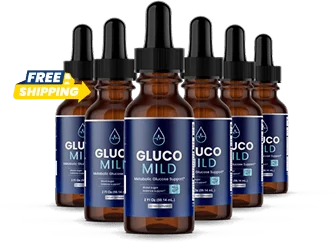
How To Read A Supplement Label
A checklist worth running on any blood-sugar-support product, especially ones leaning on ingredient counts over milligrams.
Blood-sugar-support labels are especially prone to leaning on ingredient counts rather than actual dosing math. Before trusting any product in this category — including this one — here's the checklist worth actually running.
1. Does the label disclose the total blend weight?
A proprietary blend that discloses its total milligram weight (even without individual breakdowns) gives you more to work with than one that doesn't disclose anything.
2. Can you estimate the per-ingredient average?
Divide the total blend weight by the number of ingredients for a rough average. Compare that number to any individually-studied dose you can find for a recognizable ingredient.
3. Does it say 'FDA Approved'?
No dietary supplement is FDA approved. If you see this exact phrase, that's worth noticing before you trust anything else on the page.
4. Is the ingredient count doing the persuading, or the actual amounts?
A long ingredient list on a small total weight is a marketing signal, not a potency signal. Look past the count to the milligrams.
5. Manufacturing claims that actually mean something
“Made in the USA” and “GMP certified” are specific, checkable claims — not the same as FDA approval or a guarantee of clinical-strength dosing.